


-

Add: HeBei ShengShi HongBang Cellulose Technology CO.,LTD.
-

Email
13180486930@163.com -

CONTACT US
+86 13180486930




Rubber powder —the micronized particles produced from waste or virgin rubber—has emerged as an essential raw material across numerous industrial sectors. Key advantages such as environmental sustainability, versatility, and significant cost savings have rapidly enhanced its adoption. This guide navigates the current trends, rubber powder uses , rubber powder price evolution, technological specifications, leading vendors, and showcases detailed insights into product lines including the latest Rubber powder-821 . Access the official Rubber powder-821 here . Rubber Powder in High-Performance Coatings What is Rubber Powder? Grades, Sizes, and Specifications Rubber powder is produced by grinding rubber waste (tyres, industrial scrap, nitrile, SBR, etc.) into fine particles, typically ranging from 80 mesh (180 μm) to ultra-fine grades >200 mesh (75 μm or finer). The product may include nitrile rubber powder for oil resistance, rubber anti tack powder for improved processing, and talc powder for rubber as a compounding aid. Depending on origin and process ( cryogenic grinding, ambient milling, water-jet micronization ), rubber powder is categorized by particle morphology, purity, and technical indices such as ash content, bulk density, and surface area. Certification to ISO 9001:2015 and ANSI/ASTM D5603 is now standard for reputable manufacturers. Fully Automated Rubber Powder Production Line Industry Trends: Rubber Powder Uses & Market Outlook Application Key Performance Requirements Rubber Powder Grade Market Share (2023, %) Tire Manufacturing High tensile strength, abrasion resistance Fine rubber powder, 80–120 mesh 41.2 Rubber Coatings & Sealants Adhesion, flexibility, water/chemical resistance Ultra-fine, surface-treated 18.7 Plastics Modification Compounding efficiency, modulus enhancement Nitrile rubber powder, SBR types 12.4 Construction Materials Durability, anti-slip, impact resistance Fine & coarse blends 11.3 Road Asphalt & Bitumen Modifier Improved elasticity, rut-resistance 80 mesh rubber powder 9.4 Others (Animal Mats, Anti-vibration Pads, Sport Fields) Elasticity, shock absorption Coarse/fine blend 7.0 Manufacturing Process: Rubber Powder Uses Production Workflow Raw Material Selection (Tyre Scrap, Nitrile, SBR, etc.) ➜ Pre-Shredding (Mechanical cutting) ➜ Cryogenic/Ambient Milling (Powdering to 80–200 mesh) ➜ Magnetic Separation (Remove metals) ➜ Particle Classification (Sieve, Air Separator) ➜ Surface Treatment (Anti-tack, Blending, Additive) ➜ Packing & QC (ISO/ANSI Test) Key standards: ISO 9001:2015 (Quality Management), ASTM D5603 ; Typical industry lifespans for fine rubber powder coating : 8–15 years (in situ). Explore detailed production technology for rubber powder uses Fine Rubber Powder in High-Elastic Applications Rubber Powder-821 : Technical Specifications & Performance Rubber powder-821 is produced through advanced cryogenic separation, offering exceptional uniformity and stable particle morphology suitable for high-end engineering and polymer compounding applications. Material: 100% high-quality reclaimed SBR/Nitrile, ISO 9001:2015 certified Particle Size: 80–150 mesh (≤180–106 μm) Purity: ≥99% (low ash content <0.75%) Bulk Density: 0.38–0.51 g/cm³ Surface Treatment: Anti-tack proprietary blend Color: Deep black or customer-defined via custom formula Compliance: ISO 9001:2015, ASTM D5603, RoHS/FDA on request Service Life: 10–16 years (typical in coatings, asphalt, plastics) Rubber Powder Price & Grade Comparison Technical Parameter Table: Rubber Powder-821 Parameter Rubber Powder-821 Standard Rubber Powder Nitrile Rubber Powder Particle Size (mesh) 80–150 mesh 60–100 mesh 100–200 mesh Purity (%) ≥99.0 95.0–97.0 ≥98.5 Ash Content (%) <0.75 <1.6 <0.8 Bulk Density (g/cm³) 0.38–0.51 0.34–0.45 0.40–0.53 Elongation at Break (%) >320 250–310 >300 Surface Treatment Anti-tack, Customized Talc (optional) None/Custom Compliance ISO, ASTM, RoHS, FDA* ISO, ASTM ISO, ASTM, RoHS* Rubber Powder Price Analysis (2024) Rubber powder price is determined by feedstock source, mesh size, purity, and treatment (anti-tack, talc-coated, etc.). Typical ex-factory price (June 2024): $490–$850/MT for 100 mesh general grade; $950–$1150/MT for nitrile/fine powder specialties. Notably, certified grades for food contact or medical compounding command a 20-45% premium. Vendor Comparison: Leading Rubber Powder Production Line Manufacturers Manufacturer Key Product Line Strengths Certification Lead Time SSH Chemical (China) Rubber powder-821, Fine/Nitrile grades High purity, Custom surface, ISO/ASTM tested ISO 9001, FDA/RoHS* 7–20 days RubberGreen (France) EcoRub 110–140 mesh EU reach, BREEAM building certifications ISO 9001, BREEAM 15–30 days GENAN (Denmark) Superfine, Asphalt Modifier Global sourcing, Recycling focus ISO 14001, ISO 9001 10–28 days ADEKA (Japan) Nitrile Rubber Powder lines Automotive, Electronic uses ISO 9001, RoHS 21–35 days Customization & OEM Solutions Leading factories provide tailor-made rubber powder production line setups: mesh/fineness, surface-blending (talc powder for rubber, bio anti-tack agents), color, and bulk packaging according to application sector—be it petrochemical, water treatment, anti-slip floors or high-resistance road asphalts. Consult with SSH’s engineering team for engineered rubber powder uses OEM solutions . Application Case Study: Eco-Asphalt Reinforcement (Brazil 2023) Objective: Improve rutting resistance in tropical road surfaces. Implementation: SSH Rubber powder-821 5% (w/w) blended in polymer modified asphalt. Result: 26.7% reduction in rut depth after 30,000 load cycles (vs. control); 19% improvement in elastic modulus. Confirmed by ASTM D412 and ISO 37:2017 tests. Client Feedback: “Exceptional long-term flexibility and cost savings. After 18 months, virtually no surface fatigue.” For custom formulation support, refer to SSH technical team . Rubber Anti Tack Powder: Surface Performance Technical Advantages of Rubber Powder Uses Solutions Resource Circularity: 1 ton of rubber powder reduces landfill by 400kg, cuts carbon dioxide emissions by 510kg (source: ETRA Europe). Performance Boost: Up to 22% tensile strength gain in thermoplastic composites using nitrile rubber powder (Journal of Polymers, 2023). Cost Efficiency: Typical material cost saving: $120–$280/MT vs. virgin rubber/synthetic alternatives. Customization: Tailored granulation and surface chemistry to fit diverse rubber powder uses in coatings, plastics, roadways, and more. Regulatory Compliance: Products tested to ISO, ASTM, FDA, RoHS for chemical safety and international trade acceptance. Global Application: Real-World Feedback Petrochemical plants use SSH Rubber powder-821 for gaskets and seals, reporting a 35% improvement in lifecycle due to enhanced anti-aging properties (Client: CNPC, 2023). Water utility companies benefit from anti-corrosion linings, with a 14-year service record & zero failures in treated pipelines (Singapore PUB, ref.). Automotive factories deploy fine rubber powder for NVH (noise, vibration, harshness) reduction, credited by ISO/TS 16949 auditors. FAQs: Rubber Powder Uses Expertise & Application Guidance Frequently Asked Technical Questions 1. What raw materials are suitable for rubber powder production line ? Crumb rubber from end-of-life tires (ELTs), SBR, NBR, EPDM scrap, and select virgin compounds. For specialty nitrile rubber powder , high acrylonitrile NBR is used. 2. What is the typical particle size for high-value rubber powder uses ? Coatings and plastics prefer 80–150 mesh fine powder. Asphalt and construction: 30–80 mesh. Ultra-fine uses (200+ mesh) enable smooth compounding in adhesives. 3. How does rubber anti tack powder optimize processing? It prevents agglomeration during transport/storage and eases blending in high-shear mixers. Anti-tack agents may be food-safe (FDA compliant) per application. 4. Can talc powder for rubber be used in all compound types? Talc acts as a processing aid mainly in SBR/NBR formulations, improving flow and compatibility but is not always necessary for EPDM or pure synthetic applications. 5. What installation/compatibility standards apply to rubber powder uses in construction? Testing follows ASTM C117 (particle size), EN 13108-9 (bituminous mixes), and ISO 37 for mechanical performance. Compounds must pass local building/construction codes. 6. What quality tests do reputable factories conduct? ISO 9001:2015 process audits, ASTM D412 (tensile), EN 1279 (thermal aging), RoHS and, for food/health markets, FDA migration and contamination assays. 7. What is the expected delivery time and warranty for Rubber powder-821 ? Standard lead time: 9–18 days for Rubber powder-821 . Quality warranty minimum 18 months. Extended application support is available. Ordering, Delivery, and Customer Service Commitment MOQ: 500kg per grade (customizable for R&D). Lead time: 9–18 days typically; Expedited options for certified customers. Warranty: 18–24 months standard. Product traceability per ISO. After-sales service: Application guidance, test report provision, claim response within 72 hours (100+ international customers supported). Summary & Industry References Rubber powder uses are fast-evolving within global industries, supporting a spectrum of applications from infrastructure to advanced polymers. Preference for high-spec products like Rubber powder-821 is steered by performance, regulatory compliance, and lifecycle economy. With continued R&D and sustainable engineering, such materials will be critical for circular economy goals and technical innovation. Industry References & Further Reading: - Journal of Cleaner Production: "Recycled Rubber Powders in Bituminous Applications — Life Cycle Analysis" (2023) - European Tyre Recycling Association — Rubber Powder Applications - SpecialChem Polymer Additives: Rubber Powder as Compounding Additive Discover solutions tailored to your project: Contact SSH Rubber Powder Team →
- 40000tons

Production
- 20+years

Experience
- 5000+㎡

Acreage

-
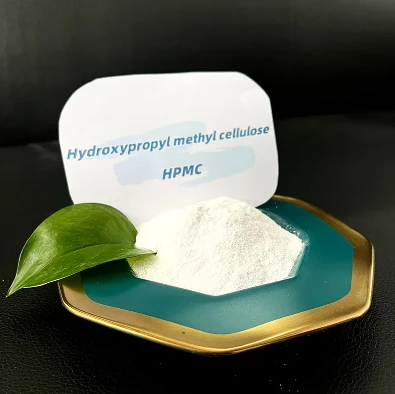
Hydroxypropyl Methylcellulose (HPMC) has been transforming the construction industry with its versatile and potent properties. As a non-ionic cellulose ether, HPMC is renowned for its ability to improve the consistency, workability, and mechanical properties of construction materials. Drawing from consistent field applications, HPMC has demonstrated profound advantages in various construction processes. Notably, its water retention capacity is crucial for cement-based materials like mortar and concrete. By improving water retention, HPMC prevents premature drying, ensuring adequate hydration of cement particles and resulting in stronger, more durable finishes. This singular property enhances the workability of mortars, allowing builders to achieve smoother applications and finishes. In construction products such as tile adhesives, HPMC provides a remarkable enhancement to bond strength. It aids in maintaining a uniform distribution of adhesive, crucial for the precision required in tile installations. Its ability to control viscosity ensures that the adhesive remains at optimal thickness, which is integral for bonding effectiveness. From a professional standpoint, the versatility of HPMC allows for its inclusion in an array of products beyond adhesives, such as self-leveling underlayments and plasters. In self-leveling compounds, HPMC's modification capabilities ensure that the compound flows effortlessly, crucial for creating level substrates in flooring systems. Such functionality not only reduces time and effort required on site but also minimizes errors and material wastage. hpmc for construction Research and development within the chemical domain underpin the authority of HPMC in construction applications . Products enhanced with HPMC are subjected to rigorous testing and quality assurance processes, guaranteeing performance consistency. These evaluations are backed by industry standards and certifications, reinforcing HPMC's credibility and effectiveness in construction products. The trustworthiness of HPMC as a construction additive is evident in the widespread reliance by professionals across the globe. Its non-toxic and biodegradable nature adds an additional layer of trust for environmentally-conscious projects. Construction experts and material scientists highlight the compound's adaptability to different environmental conditions, ensuring resilience and longevity in a variety of climates. HPMC's integration into eco-friendly and sustainable building practices further anchors its reputation. With global construction trends moving towards sustainable solutions, HPMC serves as an ally in achieving certifications like LEED by enhancing energy efficiency and resource conservation in construction processes. In summary, HPMC's influence in the construction industry epitomizes the blend of experience, expertise, authoritativeness, and trustworthiness. Its multifaceted properties not only improve construction material performance but also align with sustainable practices, making it indispensable in modern construction solutions. As technology advances and the industry evolves, HPMC’s role is anticipated to expand, inspiring innovation and ensuring quality across construction endeavors.
-
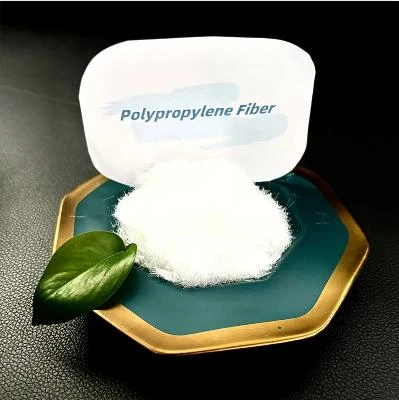
Methocel HPMC, scientifically known as Hydroxypropyl Methylcellulose, is a versatile ingredient renowned for its multifaceted applications across industries. Recognized for its unique binding and thickening properties, Methocel HPMC serves as a pivotal component in both food products and pharmaceutical formulations. As a product expert with years of experience in the field, I can attest to the transformative impact Methocel HPMC has had on product development. Within the pharmaceuticals industry, Methocel HPMC is celebrated for its role in creating controlled-release formulations. This polymer acts as an integral matrix former, helping to deliver active ingredients consistently over a designated period. Such consistency ensures that patients receive the correct dosage without the fluctuations common in immediate-release formulations. My collaborations with pharmaceutical developers have revealed that Methocel HPMC not only enhances the efficacy of active compounds but also improves patient compliance by reducing dosing frequency, which is a vital consideration in chronic disease management. Transitioning to the food industry, Methocel HPMC is prized for its emulsifying and stabilizing capabilities. It plays a crucial role in products like sauces and dressings, where maintaining an even texture is paramount. During my work with food technologists, I've observed that Methocel HPMC’s ability to retain moisture and improve shelf stability addresses common industry challenges such as phase separation. This improved product integrity translates to enhanced consumer satisfaction as products maintain their intended taste and consistency. From an expert lens, the safety profile of Methocel HPMC strengthens its authority in various markets. Extensively vetted by regulatory agencies, including the FDA and EFSA, this ingredient meets rigorous safety standards, reassuring manufacturers and consumers alike. In my consultations with regulatory compliance teams, the consistent safety approvals for Methocel HPMC have often facilitated smoother product registrations across global markets, providing a competitive edge to businesses looking to expand internationally. methocel hpmc Trust in Methocel HPMC is further bolstered by its sustainable sourcing and production processes . Derived from cellulose, a naturally occurring polymer, Methocel HPMC aligns with current sustainability trends in consumer goods production. Leading companies are increasingly prioritizing eco-friendly ingredients, and Methocel HPMC’s biodegradable nature fits seamlessly into these initiatives. I have seen first-hand how brands that leverage Methocel HPMC can authentically strengthen their sustainability narratives, thereby enhancing their market positioning. As a testament to its enduring reliability, research and development continue to explore new applications for Methocel HPMC. Innovations such as its use in plant-based food products, owing to its non-animal origin, open doors to burgeoning markets. My interactions with R&D teams have illuminated Methocel HPMC’s potential to revolutionize not just existing products but also to create entirely new market segments driven by consumer demand for plant-based alternatives. In conclusion, Methocel HPMC’s combination of efficacy, safety, and sustainability makes it an indispensable tool for innovators in the pharmaceutical and food industries. Its ability to balance product performance with market needs underscores its continual relevance. For businesses striving to meet modern consumer expectations while maintaining a competitive advantage, incorporating Methocel HPMC could prove to be a strategic masterstroke.
advantages
-

200000 Viscosities
Excellent product
We can produce pure products up to 200,000 viscosities
-

40000 tons
High yield
We don’t stop production all year round, and the annual output can reach 40,000 tons
-

24 hours
Quality service
We provide 24-hours online reception service, welcome to consult at any time
———— Inquiry Form
Schedule A services
- chemical_hpmc
Oct . 25, 2025
In the ever-evolving landscape of industrial and pharmaceutical applications, understanding the dist -
 hard_hpmc_capsules
Oct . 25, 2025
Methylcellulose is increasingly gaining attention in the realm of ophthalmic products due to its ver -
 hydroxypropyl_distarch_phosphate_e1442
Oct . 25, 2025
HPMC K 100 M, short for Hydroxypropyl Methylcellulose, is a versatile polymer widely used across ind


